
Why Foshan Is the Furniture Capital of the World
Foshan and its surrounding towns produce an estimated 30% of all furniture made in China and supply markets across Asia, the Middle East, Africa, Europe, and the Americas. The industry has been building here for over 40 years, creating a supply chain ecosystem that is difficult to replicate anywhere else.
What Foshan Offers | Why It Matters for Buyers |
|---|---|
10+ kilometers of furniture showrooms | Compare hundreds of suppliers in a single trip |
Direct factory access | Skip intermediaries and negotiate with manufacturers |
Full product range | Hotel, home, office, outdoor, and custom furniture all in one region |
Real-time pricing | See current market rates and negotiate on the spot |
Customization capability | Factories can modify designs, dimensions, and finishes to your specifications |
Same-day samples | Many showrooms can prepare material samples within hours |
For buyers in the hospitality and commercial furniture sectors, Foshan is often the first and last stop on a China sourcing trip. The density of suppliers means you can evaluate options, negotiate pricing, and place orders — all without leaving the city.
The Foshan Furniture Market: Where to Go
The furniture market is concentrated in two adjacent towns — Lecong and Longjiang — both located in Shunde District, about 40 minutes by car from downtown Foshan.
Lecong Town: The World's Largest Furniture Market
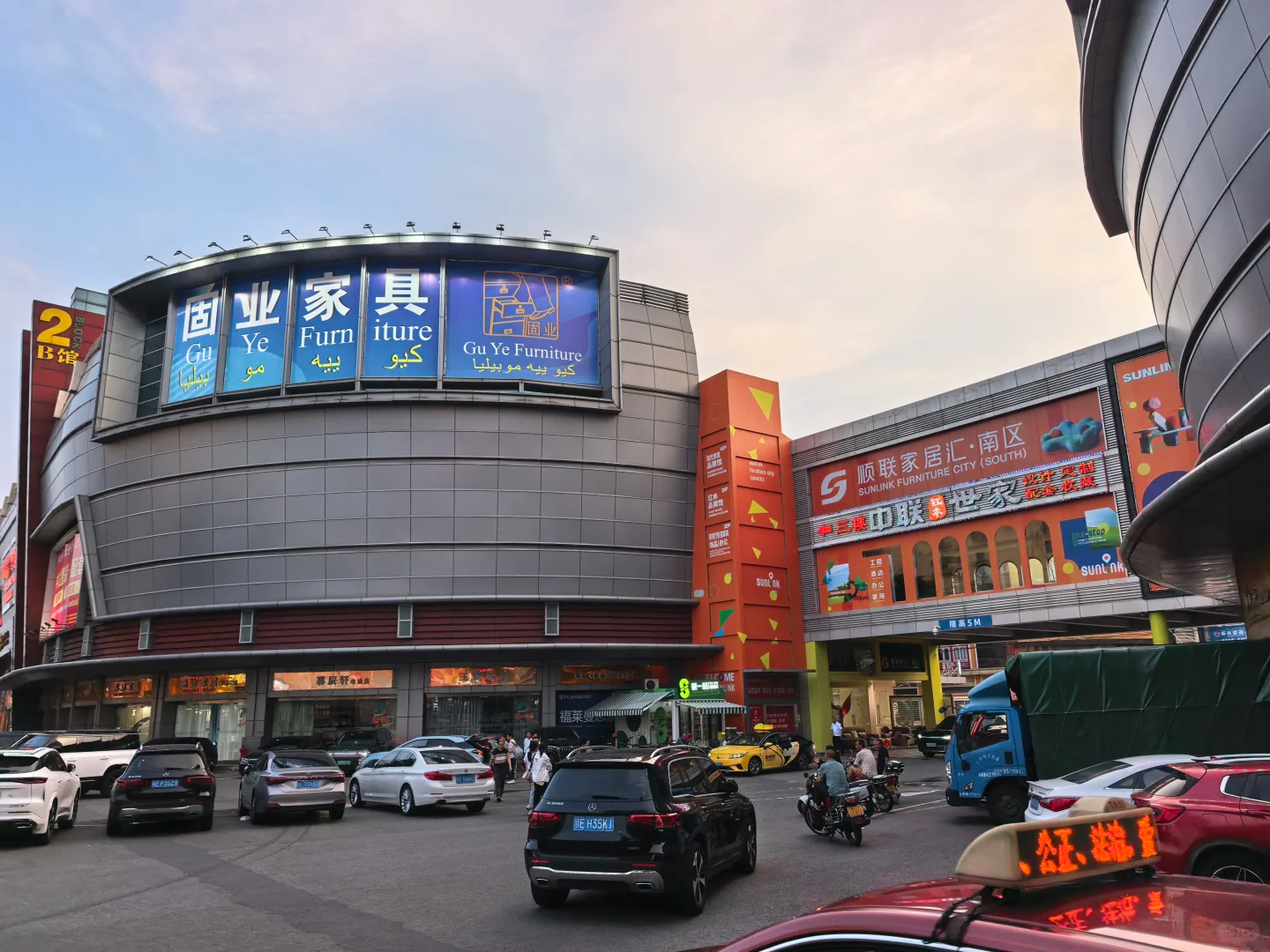
Lecong is the commercial heart of Foshan's furniture trade. A 10-kilometer stretch of road is lined with over 200 furniture malls, exhibition centers, and wholesale showrooms. It is the largest furniture trading hub on the planet.
Key Locations to Visit
Location | What You'll Find | Best For |
|---|---|---|
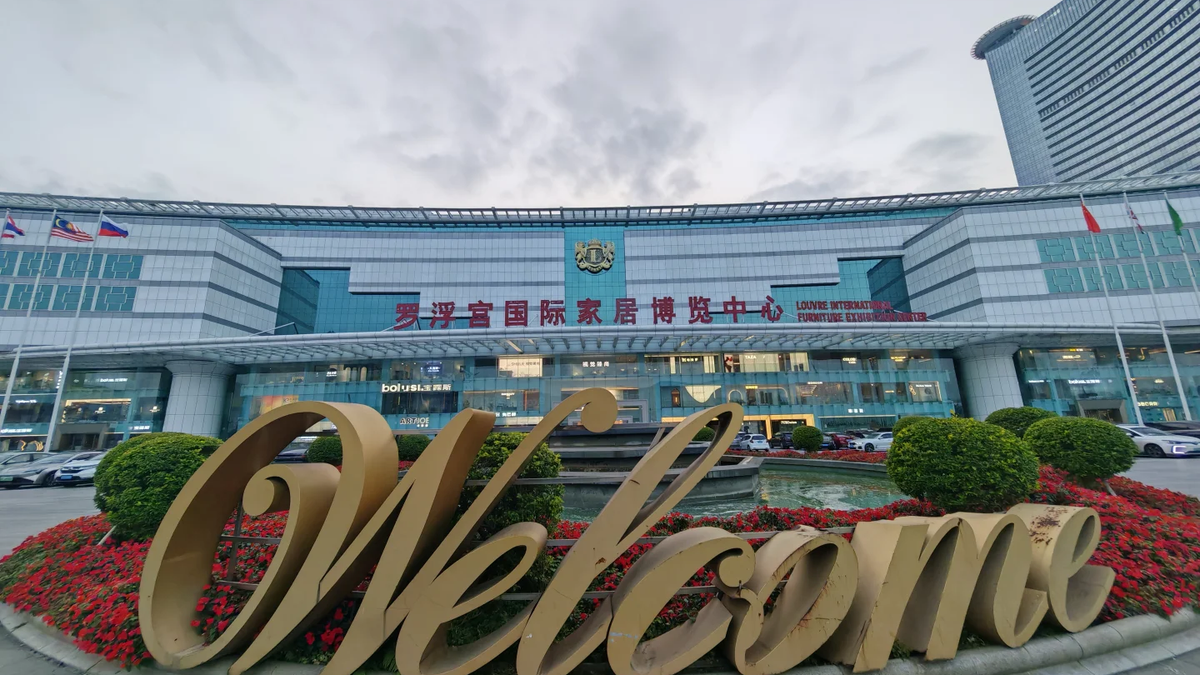
Louvre International Furniture Exhibition Center | High-end furniture, designer collections, international brands | Upscale hotel and commercial projects |
Sunlink Furniture City | Mid-range to high-end furniture, large showrooms | Bulk hotel and restaurant orders |
Red Star Macalline | Branded furniture, chain showrooms | Standardized commercial furniture |
Lecong Furniture Market (Old Market) | Budget to mid-range, smaller vendors | Cost-sensitive projects, accessory sourcing |
Sofia Plaza | Sofas and upholstered furniture specialists | Hotel lobbies, lounge areas, restaurants |
Buyer's tip: Start at the Louvre for inspiration and price benchmarking, then move to Sunlink and the Old Market for competitive quotes. Each mall has 3–5 floors, so plan at least half a day per location.
Longjiang Town: Where Factories Live
Longjiang is where most of the actual manufacturing happens. Unlike Lecong's polished showrooms, Longjiang is an industrial zone filled with factory buildings and workshops.
What to Do in Longjiang | Why It Matters |
|---|---|
Visit factory production lines | See how your furniture is actually built |
Review raw materials on-site | Verify wood species, foam density, fabric grades |
Meet engineering teams | Discuss custom modifications and technical feasibility |
Negotiate directly with owners | Factory owners in Longjiang often have final pricing authority |
Pro tip: If you are placing a large order for a hotel or commercial project, schedule at least one factory visit in Longjiang. Seeing the production floor builds trust and often leads to better pricing than showroom-only negotiations. A China sourcing agent with local relationships can arrange these visits and handle translation.
A Practical Walking Route for First-Time Buyers
If you have 2–3 days in Foshan, here is an efficient route that maximizes your sourcing time:
Day 1: Lecong Market Survey
Time | Activity |
|---|---|
Morning (9:00–12:00) | Louvre International Furniture Exhibition Center — walk all floors, photograph items of interest, collect supplier business cards |
Lunch (12:00–13:30) | Eat at a restaurant inside or near the Louvre complex |
Afternoon (14:00–18:00) | Sunlink Furniture City — focus on your specific product category (hotel furniture, restaurant seating, office workstations) |
Evening | Review notes, shortlist 5–10 suppliers for follow-up |
Day 2: Deep Dive and Factory Visits
Time | Activity |
|---|---|
Morning (9:00–12:00) | Return to top 3 shortlisted showrooms for detailed discussions — request catalogs, pricing sheets, and sample materials |
Afternoon (14:00–17:00) | Factory visit in Longjiang (pre-arranged) — inspect production facilities, review quality control processes |
Evening | Send formal RFQs to your top 3–5 suppliers |
Day 3: Final Selection and Cultural Exploration
Time | Activity |
|---|---|
Morning (9:00–12:00) | Final showroom visits for any missed categories; collect last samples |
Afternoon | Explore Foshan's cultural attractions (see section below) |
What to Look For When Buying Furniture in Foshan
Quality Checklist
Check Point | What to Verify | Red Flags |
|---|---|---|
Frame construction | Solid wood or engineered wood? Joint quality? | Staples instead of dowels; particleboard labeled as plywood |
Upholstery | Fabric grade, fire-retardant certification, seam quality | Thin fabric, loose stitching, no CAL 117 or BS 5852 tag |
Finish | Even staining, smooth edges, consistent color | Bubbles in lacquer, uneven paint, rough edges |
Hardware | Hinge smoothness, drawer slide quality, lock mechanisms | Cheap plastic hardware, noisy drawers |
Packaging | Export-grade cartons, corner protectors, foam wrapping | Thin cardboard, no corner protection |
Negotiation Tips
- Never accept the first quote. Initial showroom prices often have 15–30% negotiation room.
- Bring physical samples. A fabric swatch or wood sample from your designer is worth more than a photo.
- Ask about MOQ flexibility. For large projects, factories may accept lower per-item minimums in exchange for total order volume.
- Confirm lead times in writing. Verbal promises about delivery dates are common; get them in the quotation sheet.
- Request sealed samples before bulk production. This is non-negotiable for any serious order.
Beyond Furniture: Culture, Food, and Kung Fu in Foshan
Foshan is one of the most culturally rich cities in the Pearl River Delta. If you are flying halfway around the world to source furniture, it is worth extending your stay by a day or two to experience what makes this city special.
Shunde Cuisine: A UNESCO-Recognized Food Heritage
The district of Shunde — where Lecong and Longjiang are located — was designated a UNESCO City of Gastronomy in 2014. The food here is considered the finest expression of Cantonese cooking.
Dish | What It Is | Where to Try It |
|---|---|---|
Shunde Double-Skin Milk | A silky, steamed milk pudding with a thin "skin" on top | Minxin Milk Shop (Shunde Old Town) |
Sashimi-Style Freshwater Fish | Thinly sliced raw fish served with oil, soy, and condiments | Local restaurants in Shunde |
Claypot Rice | Rice cooked in clay pots with cured meats, sausage, and soy sauce | Street stalls near the Ancestral Temple |
Chencun Rice Noodles | Thin, delicate rice noodles served in soup or stir-fried | Chencun Town, near the furniture market area |
Roast Goose | Cantonese-style roast goose with crispy skin | Qinghui Garden Restaurant area |
Dining tip: In Shunde, the best food is often found in small, unassuming restaurants rather than hotel dining rooms. Ask your hotel concierge or sourcing agent for local recommendations — they will know the spots that tourists never find.
Martial Arts Heritage: The Birthplace of Kung Fu
Foshan is legendary in martial arts history. It is the hometown of Wong Fei-hung, the folk hero and master of Hung Gar Kung Fu; Ip Man, the grandmaster who taught Bruce Lee; and it played a central role in the development of modern Wing Chun.
Attraction | What to See | Why It Matters |
|---|---|---|
Ip Man Memorial Hall | Museum dedicated to Ip Man's life and Wing Chun legacy | Learn about the philosophy behind one of the world's most practiced martial arts |
Wong Fei-hung Memorial Hall | Exhibits on Hung Gar Kung Fu and traditional Chinese medicine | Understand the connection between martial arts, discipline, and wellness |
Live Kung Fu Demonstrations | Scheduled performances at the Ancestral Temple and cultural parks | See traditional forms performed by trained practitioners |
Lion Dance: The Soul of Lingnan Culture
Foshan is widely regarded as the birthplace of Cantonese lion dance — the acrobatic, percussion-driven performance seen at Chinese New Year celebrations and business openings worldwide.
Where to See Lion Dance | When |
|---|---|
Foshan Ancestral Temple (Zumiao) | Daily performances, especially on weekends |
Huang Feihong Lion Dance Troupe | Scheduled shows at the memorial hall |
Chinese New Year season (Jan–Feb) | Daily performances throughout the city |
The lion dance in Foshan is not just entertainment — it is a competitive sport. Teams train for years to master the acrobatic leaps, balance routines, and expressive "lion personalities" that define the art form. Watching a performance after a morning of furniture negotiations is a reminder that this city balances commerce with culture in a way few places can match.
Must-Visit Attractions
Attraction | Description | Recommended Visit Time |
|---|---|---|
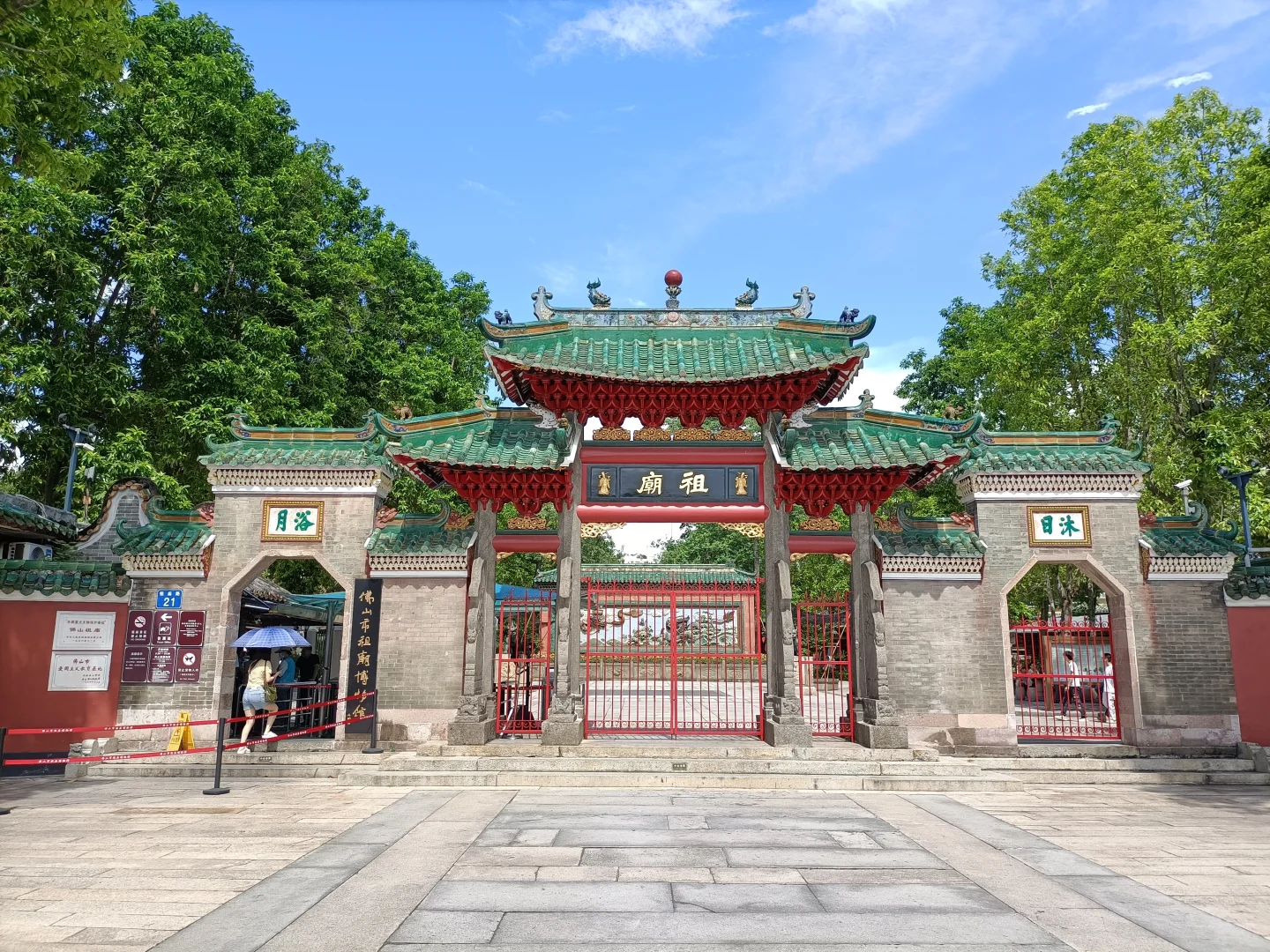
Foshan Ancestral Temple (Zumiao) | A 1,000-year-old temple complex featuring traditional architecture, opera stages, and martial arts exhibits | 2–3 hours |
Nanfeng Ancient Kiln | A 500-year-old ceramic kiln still in operation — watch artisans craft pottery using traditional methods | 1.5–2 hours |
Qinghui Garden | One of the four great classical gardens of Guangdong, with elegant pavilions and waterways | 1.5 hours |
Liang's Garden | A historic garden estate featuring traditional Lingnan architecture and bonsai collections | 1 hour |
Travel tip: The Ancestral Temple is located in downtown Foshan (Chancheng District), about 40 minutes by car from Lecong. It is the perfect way to spend a free afternoon after a morning at the furniture market. The temple grounds also host regular Kung Fu and lion dance performances, making it a one-stop cultural experience.
How to Plan Your Foshan Sourcing Trip
Getting There
Route | Details |
|---|---|
From Guangzhou Baiyun Airport | 1 hour by car; airport shuttle buses available to Foshan city center |
From Guangzhou South Railway Station | 20 minutes by high-speed train to Foshan West Station; then 30 minutes by taxi to Lecong |
From Shenzhen | 2 hours by car; or 1.5 hours by high-speed train to Guangzhou South, then transfer |
Where to Stay
Area | Best For | Hotel Tier |
|---|---|---|
Lecong | Walking distance to furniture markets | Mid-range business hotels |
Shunde Central | Better dining and cultural access | Upscale international hotels |
Foshan Downtown (Chancheng) | Proximity to Ancestral Temple and Kung Fu attractions | Full range from budget to luxury |
Best Time to Visit
Month | Furniture Market Activity | Cultural Events | Weather |
|---|---|---|---|
March–April | Peak season post-Canton Fair | Qingming Festival events | Mild, occasional rain |
May–June | Strong activity, good pricing before summer | Dragon Boat Festival (June) | Warm, humid |
September–October | Post-CIFF peak season | Mid-Autumn Festival | Pleasant, less humid |
November–December | Year-end clearance pricing | None major | Cool and dry |
Avoid: Chinese New Year (late January–February) when factories close for 2–4 weeks, and July–August when extreme heat makes market walking uncomfortable.
Frequently Asked Questions
How many days do I need in Foshan for furniture sourcing?
For a first-time buyer, plan 2–3 full days. Day 1 for market surveying (Lecong showrooms), Day 2 for factory visits (Longjiang) and detailed negotiations, and Day 3 for final selections and cultural exploration. If you are working with a sourcing agent who has pre-shortlisted suppliers, 2 days may be sufficient.
Can I buy furniture directly from Foshan showrooms and ship it myself?
Yes, but it is not recommended for first-time buyers. Showrooms typically sell FOB (Free On Board), meaning you handle shipping, customs, and delivery. Without experience in Chinese export documentation, container loading supervision, and customs clearance, the risk of delays, damage, or unexpected costs is high. A Guangzhou-based sourcing agent can manage the entire door-to-door process.
Is the furniture in Foshan only for wholesale, or can I buy single pieces?
Foshan is primarily a wholesale market. Most vendors prefer large orders, but many will sell single pieces or small lots at retail prices. For serious commercial projects, expect to place orders of 20+ units per SKU to get wholesale pricing. Some showrooms have "sample sales" where you can buy display pieces individually.
What is the difference between Lecong and Longjiang?
Lecong is the trading and showroom district — it is where you browse, compare, negotiate, and place orders. Longjiang is the manufacturing base — it is where the factories are, where you inspect production, and where the best direct-from-factory pricing is available. Most buyers visit both: Lecong for selection, Longjiang for verification.
Do I need to speak Chinese to source furniture in Foshan?
Not necessarily, but it helps. Large showrooms in the Louvre and Sunlink have English-speaking staff. However, smaller vendors and factory owners in Longjiang may not. A translator or sourcing agent who speaks both English and Cantonese/Mandarin can significantly improve your negotiation outcomes and help you avoid misunderstandings about specifications.
How do I get from Foshan furniture market to the cultural attractions?
The Ancestral Temple and downtown Foshan attractions are about 40 minutes by car from Lecong. Taxis and ride-hailing apps (DiDi) are widely available and inexpensive. If you are staying in Shunde or Lecong, plan to visit the cultural sites on a separate half-day trip rather than trying to fit them between showroom visits.
Foshan rewards buyers who come prepared. The furniture market is vast, the suppliers are competitive, and the city itself offers a cultural depth that makes the business trip feel less like work and more like discovery. Whether you are sourcing a full hotel FF&E package or selecting restaurant seating for a new chain, Foshan has the products, the pricing, and the expertise to deliver.
At sourcingchn, we are based in Guangzhou — one hour from Foshan — and work with verified suppliers across Lecong and Longjiang every week. We help international buyers navigate the market, pre-screen suppliers, manage factory visits, and handle quality control and logistics from order to delivery.