
What Is CAL 117? The Basics
CAL 117 is a flammability standard for upholstered furniture formally known as California Technical Bulletin 117-2013 (often shortened to TB 117-2013). It was developed by the California Bureau of Electronic and Appliance Repair, Home Furnishings and Thermal Insulation (BEARHFTI) and sets requirements for the smolder resistance of upholstered furniture components.
The standard applies to three specific components of upholstered furniture:
Component | What CAL 117 Tests | Why It Matters |
|---|---|---|
Upholstery fabrics | Resistance to smoldering ignition from cigarettes | Most furniture fires start from smoldering sources, not open flames |
Filling materials | Foam and fiber behavior when exposed to heat | Untreated foam can ignite and release toxic gases rapidly |
Barrier materials | Effectiveness of fire-blocking layers between foam and fabric | Barriers can prevent flames from reaching foam even if fabric ignites |
Importantly, CAL 117 is a component-level test, not a full-assembly test. It evaluates the individual materials that make up a piece of furniture rather than testing the complete chair or sofa as a unit. This distinction matters because a chair with CAL 117-compliant foam and fabric may still perform poorly in a real fire if the design allows flames to bypass the tested components.
How CAL 117 Testing Works
The Smoldering Ignition Test
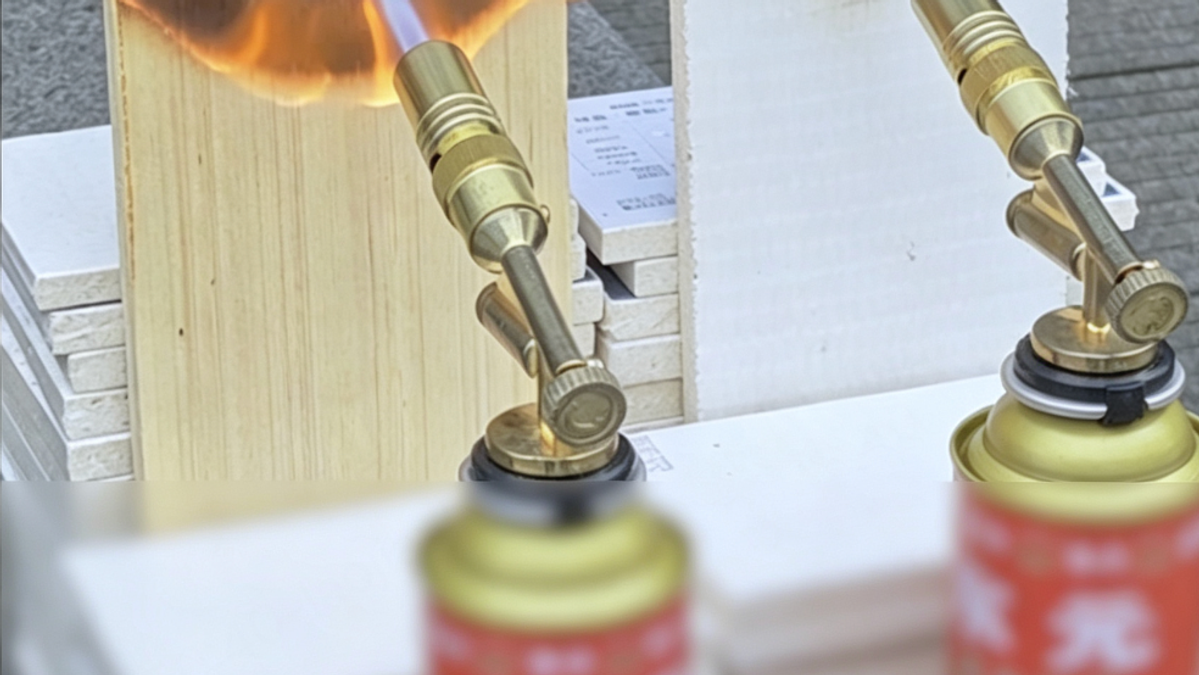
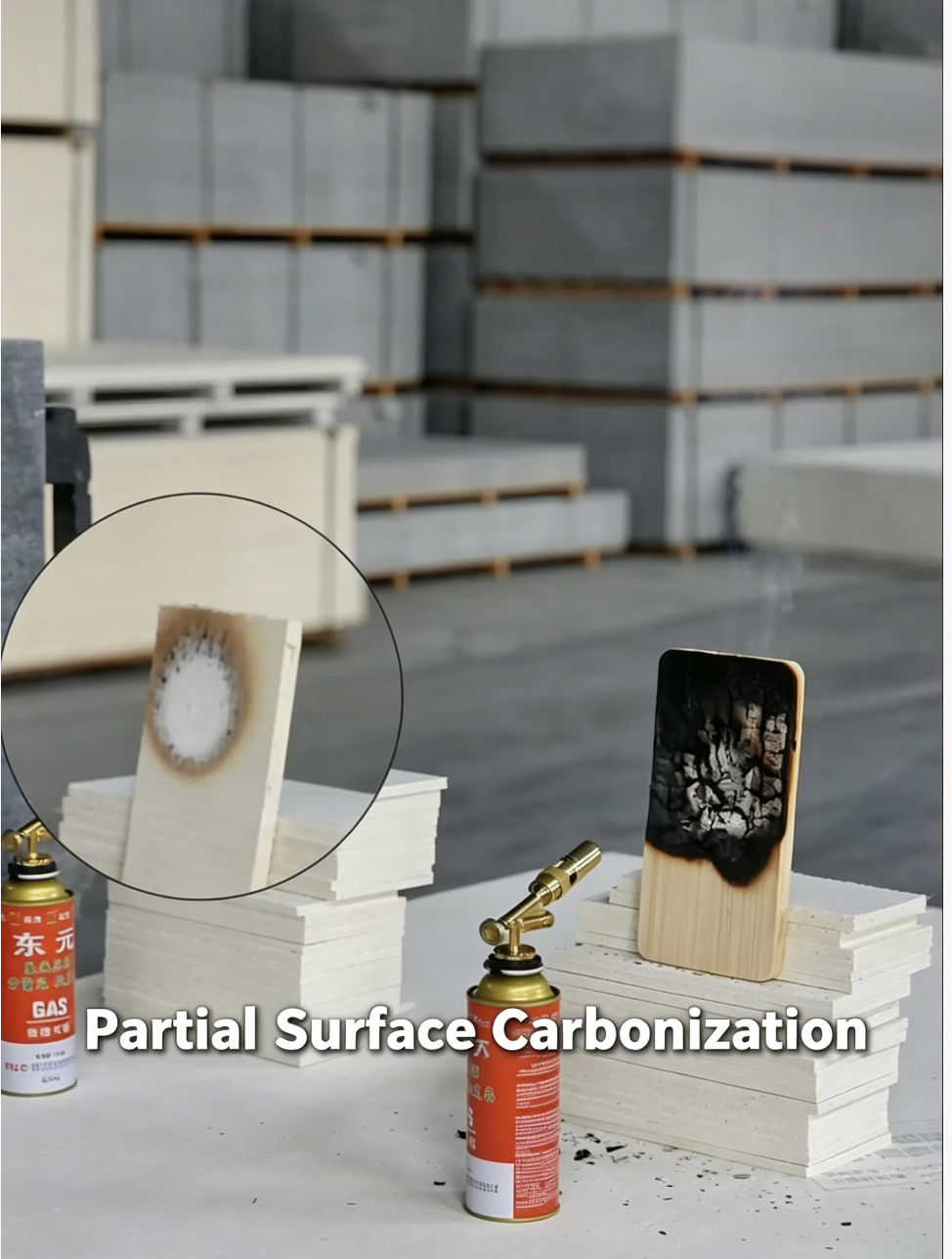
The primary CAL 117 test involves placing a lit cigarette on the surface of the upholstered component and observing what happens over a 45-minute period. The test measures:
- Weight loss: The material must lose no more than 10% of its weight during the test
- Char length: The charring must not extend more than 1.5 inches (38mm) from the cigarette location
- Transition to flaming: The material must not transition from smoldering to open flame
If any of these thresholds are exceeded, the material fails and cannot be used in furniture claiming CAL 117 compliance.
Testing by Component
Component | Test Method | Passing Criteria |
|---|---|---|
Cover fabrics | Cigarette placed on fabric over standard foam | Char length ≤ 1.5 inches, no transition to open flame |
Filling materials (foam) | Mock-up with fabric and foam exposed to cigarette | Weight loss ≤ 10%, no transition to open flame |
Barrier materials | Cigarette placed on barrier material | Must prevent foam ignition for specified duration |
Manufacturers typically test materials at certified laboratories and receive test reports documenting compliance. These reports include the specific product tested, the laboratory that conducted the test, and the date of testing. Valid CAL 117 compliance documentation must come from a laboratory accredited by the California Bureau.
CAL 117 vs. Other Fire Safety Standards
CAL 117 is one of several fire safety standards that apply to commercial furniture. Understanding how it relates to other standards helps buyers specify the right level of protection for their projects.
CAL 133: The Full-Assembly Standard
CAL 133 (California Technical Bulletin 133) is the more stringent sibling of CAL 117. While CAL 117 tests individual components, CAL 133 tests the complete furniture assembly — frame, foam, fabric, and all — using a full-scale open flame test.
Standard | Test Level | Flame Source | Application |
|---|---|---|---|
CAL 117 | Component | Cigarette (smoldering) | General commercial furniture |
CAL 133 | Full assembly | Open flame (gas burner) | High-occupancy public spaces |
CAL 133 compliance is required for furniture used in:
- Public assembly areas with 50+ occupants
- Healthcare facilities
- Correctional facilities
- Certain educational environments
For most hotel guest rooms and restaurant dining areas, CAL 117 is sufficient. For hotel lobbies, conference centers, and convention spaces, CAL 133 may be required by local building codes.
NFPA 260 and NFPA 261
The National Fire Protection Association maintains similar standards:
- NFPA 260: Component-level smoldering test, roughly equivalent to CAL 117
- NFPA 261: Full-assembly flame test, roughly equivalent to CAL 133
Many manufacturers test to both California and NFPA standards to ensure nationwide compliance. If your project is outside California, specifying "CAL 117 or NFPA 260 compliant" gives suppliers flexibility while maintaining safety standards.
ASTM E84 and E1537
ASTM International publishes additional fire test standards:
- ASTM E84: Surface burning characteristics (flame spread index)
- ASTM E1537: Full-scale fire test for upholstered furniture
These standards are sometimes referenced in project specifications alongside or instead of CAL 117, particularly for government and institutional projects.
European Standards: EN 1021
For projects in Europe or for international hotel brands with European properties, EN 1021 is the relevant standard:
- EN 1021-1: Ignition by smoldering cigarette
- EN 1021-2: Ignition by match flame
Chinese factories exporting to multiple markets often maintain compliance documentation for both CAL 117 and EN 1021, but buyers should verify which standard their specific project requires.
Why CAL 117 Matters for Commercial FF&E
Legal and Regulatory Requirements
California law requires that all upholstered furniture sold in the state meets CAL 117 standards. While other states do not have identical requirements, many jurisdictions adopt California standards by reference or require similar levels of fire safety for commercial occupancies.
For commercial projects, the relevant requirements typically come from:
- Building codes: International Building Code (IBC) and local amendments
- Fire marshal regulations: Local fire departments often have specific furniture requirements
- Insurance policies: Some commercial insurance policies require documented fire safety compliance
- Brand standards: Major hotel chains specify CAL 117 or equivalent in their FF&E standards
Risk Management
The financial exposure from furniture-related fires extends far beyond property damage. Hotels and restaurants face:
- Personal injury liability: Guest burns and smoke inhalation injuries
- Business interruption: Closure during investigation and remediation
- Reputational damage: Negative publicity from fire incidents
- Regulatory penalties: Fines for code violations identified after incidents
A single fire incident involving non-compliant furniture can generate liability claims that exceed the total cost of the furniture package by orders of magnitude. CAL 117 compliance is inexpensive insurance against this exposure.
Insurance and Brand Compliance
Many commercial insurance underwriters now ask for documentation of fire safety compliance for upholstered furniture. Properties that cannot produce test reports may face higher premiums or coverage exclusions.
Similarly, hotel brand standards for Marriott, Hilton, Hyatt, and IHG properties all specify fire-retardant requirements for upholstered furniture. FF&E packages for branded properties must include compliance documentation as part of the brand approval process.
How to Verify CAL 117 Compliance When Sourcing from China
Requesting Documentation
When sourcing upholstered furniture from China, CAL 117 compliance should be treated as a contractual requirement, not an assumption. The verification process includes:
- Specification inclusion: State CAL 117 compliance as a mandatory requirement in your purchase order
- Test report request: Ask for third-party test reports for the specific foam and fabric combinations used in your furniture
- Laboratory verification: Confirm that the testing laboratory is accredited by the California Bureau
- Production sampling: Request that production samples include the actual foam and fabric that will be used in bulk production
Red Flags to Watch For
Not all claims of CAL 117 compliance are valid. Common issues include:
Red Flag | What It Means | How to Respond |
|---|---|---|
Generic certificates | Document does not specify the exact product tested | Request product-specific test reports |
Expired tests | Test reports more than 5 years old | Request retesting or updated documentation |
Unaccredited laboratories | Testing performed by uncertified labs | Verify laboratory accreditation with California Bureau |
Component mismatch | Tested foam differs from production foam | Specify exact materials and request pre-production verification |
Missing fabric testing | Only foam tested, not fabric | Ensure both components are tested together |
Our quality control services include documentation review and material verification for fire safety compliance on upholstered furniture shipments.
Cost Implications
CAL 117 compliance adds cost to upholstered furniture, but the increment is modest compared to the total piece price:
Cost Component | Typical Premium for CAL 117 |
|---|---|
Fire-retardant foam | 10–15% above standard foam |
Fire-retardant fabric treatment | 5–10% above untreated fabric |
Barrier materials | $3–$8 per piece depending on size |
Testing and documentation | $200–$500 per material combination |
Total furniture cost impact | 8–12% for typical upholstered seating |
For a restaurant chair with a $60 manufacturing cost, CAL 117 compliance adds approximately $5–$7 per piece. For a hotel lounge chair with a $180 manufacturing cost, the addition is approximately $15–$20 per piece. These costs are typically recovered many times over through reduced insurance premiums and liability protection.
CAL 117 in Different Commercial Environments
Hotels and Hospitality
Hotel FF&E specifications almost universally require CAL 117 compliance for upholstered seating in:
- Guest rooms (armchairs, sofas, desk chairs, ottomans)
- Public areas (lobby seating, lounge chairs, bar stools)
- Meeting and event spaces (banquet chairs, conference seating)
For hospitality FF&E projects, specifying CAL 117 at the outset prevents costly substitutions during production. Some hotel brands go further, requiring CAL 133 for lobby and public area furniture.
Restaurants and Food Service
Restaurant furniture faces unique fire risks from open flames, heat lamps, and cooking equipment. While CAL 117 is the baseline standard, restaurants in high-occupancy spaces may need CAL 133 for banquet seating and booth installations.
For restaurant furniture projects, specify CAL 117 for all upholstered seating and confirm with your local fire marshal whether CAL 133 is required for your specific occupancy classification.
Education and Healthcare
Schools, universities, and healthcare facilities often have stricter requirements than hotels and restaurants. Many institutional projects specify:
- CAL 133 or NFPA 261 for all public seating
- Additional requirements for chemical emissions (GREENGUARD or similar)
- Specific labeling and documentation for maintenance records
Buyers sourcing for institutional projects should obtain the full fire safety specification from the project's architect or code consultant before issuing RFQs.
Frequently Asked Questions
Is CAL 117 required in all US states?
No. CAL 117 is legally required only in California. However, many other states and local jurisdictions reference CAL 117 or require equivalent levels of fire safety for commercial furniture. Additionally, many hotel brands and insurance policies require CAL 117 compliance regardless of location. Even when not legally mandated, CAL 117 compliance is considered best practice for commercial upholstered furniture nationwide.
What is the difference between CAL 117 and CAL 133?
CAL 117 tests individual components (fabric, foam) using a smoldering cigarette as the ignition source. CAL 133 tests the complete furniture assembly using an open flame gas burner. CAL 133 is significantly more stringent and is required for high-occupancy public spaces. CAL 117 is sufficient for most hotel guest rooms, restaurant dining areas, and office environments.
Can furniture with CAL 117 compliant foam but non-compliant fabric pass?
No. CAL 117 requires that all tested components meet the standard. If the foam is compliant but the fabric is not, the furniture does not meet CAL 117 requirements. Both the upholstery fabric and the filling material must pass the component-level tests. Some manufacturers use a compliant barrier material between non-compliant fabric and foam, but this approach must be specifically tested and documented.
How do I know if a Chinese factory's CAL 117 test report is legitimate?
Verify three things: (1) the testing laboratory is listed on the California Bureau's accredited laboratory directory, (2) the test report specifically identifies the product tested including material descriptions and supplier names, and (3) the test date is within the last five years. Generic certificates without specific product information are not valid proof of compliance.
Does CAL 117 compliance affect furniture comfort or durability?
Modern fire-retardant foams and fabrics have largely eliminated the comfort and durability compromises that existed decades ago. High-quality fire-retardant polyurethane foam offers the same density and resilience options as standard foam. Treated fabrics maintain their hand feel and wear characteristics. The primary difference buyers may notice is a slight increase in fabric stiffness for certain treated natural fibers.
How often do CAL 117 test reports need to be updated?
Test reports do not have a formal expiration date, but best practice is to request reports less than five years old. If the material formulation or supplier has changed since the original test, new testing is required. For ongoing production relationships, annual verification testing ensures that material specifications have not drifted from the originally tested standards.
Fire safety compliance is not the most exciting topic in FF&E procurement, but it is one of the most consequential. A specification error on fabric weight might cause a visual disappointment. A compliance gap on fire safety can cause injury, litigation, and business closure. For buyers sourcing upholstered furniture from China, making CAL 117 verification a standard part of the quality control process is a simple discipline that prevents catastrophic outcomes.