
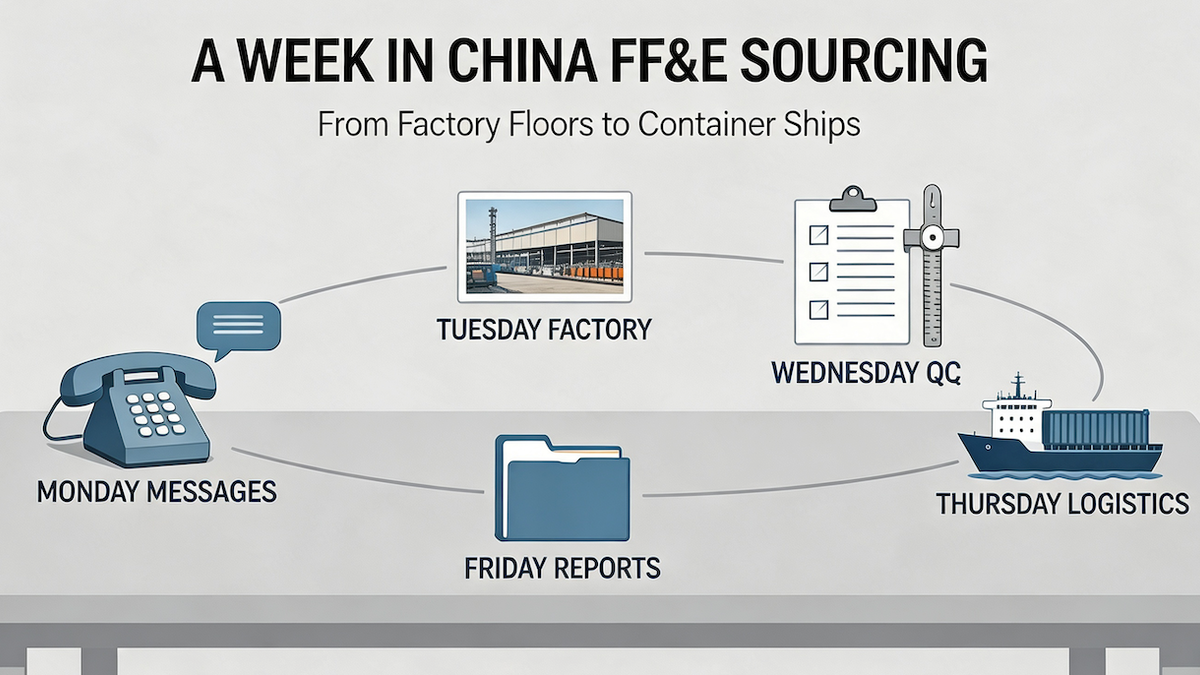
Monday: The WeChat Avalanche
My Monday starts at 7:15 AM, which is late by Chinese factory standards. By the time I pick up my phone, there are already 47 unread WeChat messages. A hotel developer in Dubai is asking about the status of 200 guest room headboards. A restaurant chain in Australia wants to know if we can change the fabric on 80 bar stools. A factory manager in Foshan sent me photos at 6 AM showing a batch of dining chairs that came out of the finishing line with color variations.
This is the reality of the job — you are always on call, and the time zone differences mean messages pile up overnight. I spend the first two hours of every Monday just triaging WeChat. It is not glamorous, but it is critical. A delayed response can mean a factory pauses production while they wait for your confirmation, which pushes back the entire timeline.
By 10 AM, I have sorted through the messages and identified the three things that actually need my attention today:
- The color variation issue on the dining chairs — I need to call the factory and ask them to hold the batch for inspection
- A quote request from a new client who wants restaurant furniture for a 12-location rollout
- A sample approval that has been sitting on my desk for three days because I keep getting interrupted
The rest of Monday is a blur of phone calls, WeChat voice messages (because typing is too slow for technical discussions), and spreadsheet updates. I send the new client a preliminary quote by 4 PM, schedule a factory visit for Tuesday, and finally approve that sample. Not a bad day, but I did not leave the office once.
Tuesday: Factory Day
Tuesday is factory day. I am up at 6:30, on the road by 7:15. The factory I am visiting is in Shunde, about 90 minutes from my office in Guangzhou. It is a new supplier we are evaluating for a hotel project — the client needs custom vanities and wardrobes for 180 guest rooms, and our current factory does not have the capacity to take on another project this quarter.
I have done enough of these visits that I have a routine. If you want the full version of what to look for, check out my factory visit walkthrough. The short version: I am checking everything from material storage to dust collection to how the workers handle assembly.
Today's visit goes well. The factory is clean, organized, and the owner is straightforward — he shows me both his best work and his problem areas without being asked. That honesty matters more than anything in the showroom. I spend three hours on the production floor, take 60+ photos, and eat a surprisingly good lunch at a tiny noodle shop next to the factory.
By 4 PM, I am back in the car, writing notes on my phone while the driver navigates traffic. My assessment: this factory is a viable option for the hotel project. I will send the client a report tonight with photos, a capability summary, and my recommendation. If they approve, we move to sampling next week.
What I did not do today: sit in an office, send emails, or look at a catalog. The most valuable thing a sourcing agent does is show up in person, read the factory, and make a judgment call based on years of experience. No video call or virtual tour can replace that.
Wednesday: Inspection Day
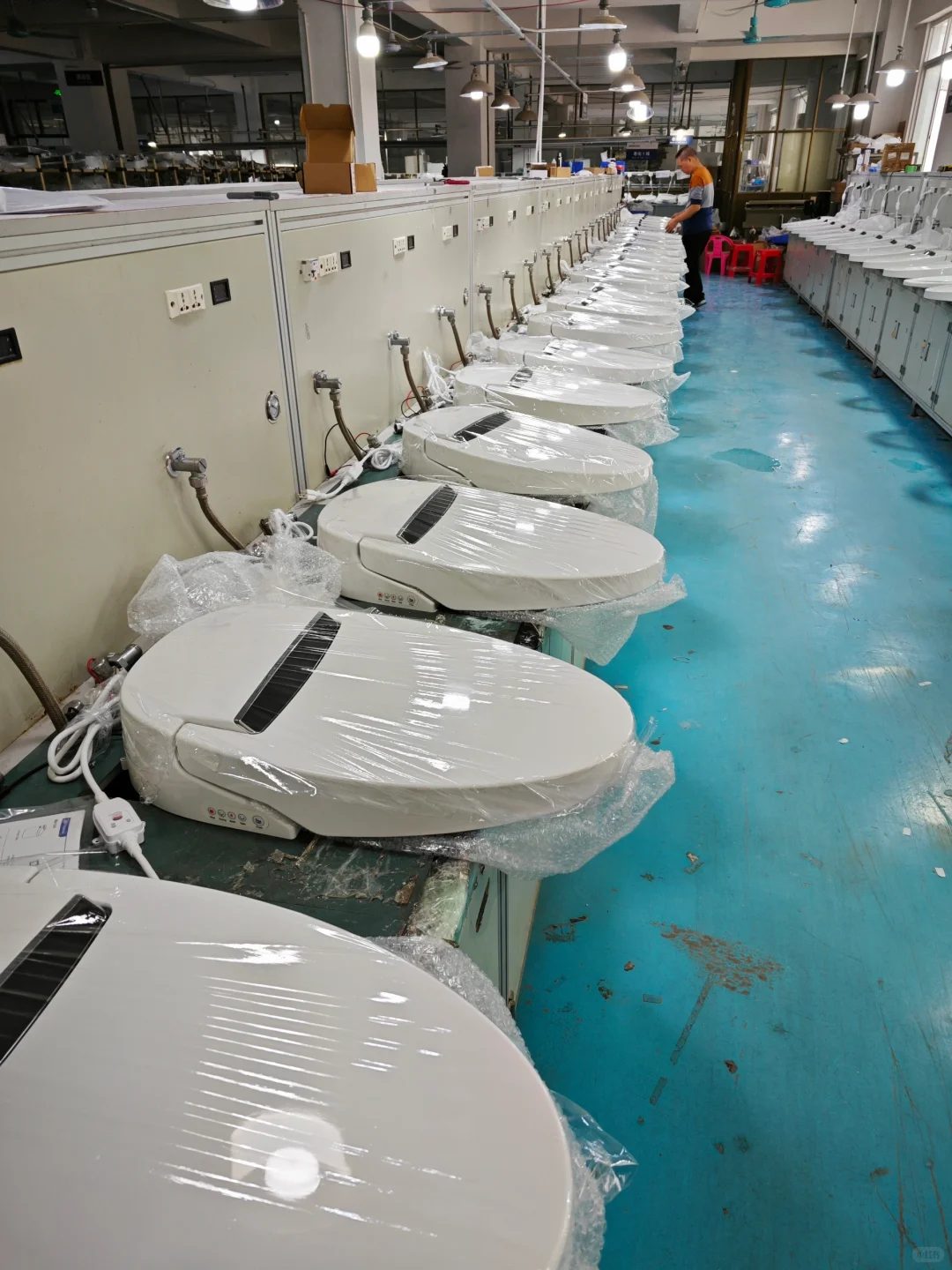
Wednesday is pre-shipment inspection day. The restaurant furniture order — those 80 bar stools plus 60 dining tables — is ready to ship from a factory in Dongguan. Before anything goes into a container, I need to verify that the quality meets the client's specifications.
I arrive at the factory at 9:30 AM with my inspection kit: a tape measure, a digital caliper, a moisture meter, a flashlight, and a stack of specification sheets. The factory has pulled the order to a dedicated inspection area, which is a good sign — disorganized factories make you hunt through warehouses.
I inspect based on AQL (Acceptable Quality Limits) standards. For those unfamiliar, AQL is a statistical sampling method that tells you how many units to check and how many defects are acceptable. For this order, I am checking 13 units out of 140 total. Here is what I am looking for:
Check | What I Am Looking For | Result |
|---|---|---|
Dimensions | Within ±3mm of spec on height, width, depth | 12 pass, 1 fail (5mm over) |
Finish | No runs, drips, orange peel, or color mismatch | 13 pass |
Upholstery | Fabric tension even, piping straight, no loose staples | 11 pass, 2 fail (loose staples) |
Stability | No wobble, level on flat surface | 13 pass |
Hardware | Hinges and glides function smoothly, correct specs | 13 pass |
Packaging | Corner protectors, adequate padding, correct labeling | 13 pass |
Two units with minor defects out of 13 inspected is within the acceptable range. I flag the loose staple issue with the factory manager, who agrees to re-check all 140 units before packing. This is exactly why pre-shipment inspections matter — without someone on the ground checking, those loose staples would have shown up at the client's restaurant, and the bar stools would have been sent back.
The inspection wraps up by 2 PM. I spend another hour reviewing the packaging and taking photos for the client report. Then it is back to Guangzhou to write up the report and send it before the client's business day starts in Australia.
Thursday: The Problem Day
Every week has a Thursday. Thursday is the day when something goes wrong and you earn your money.
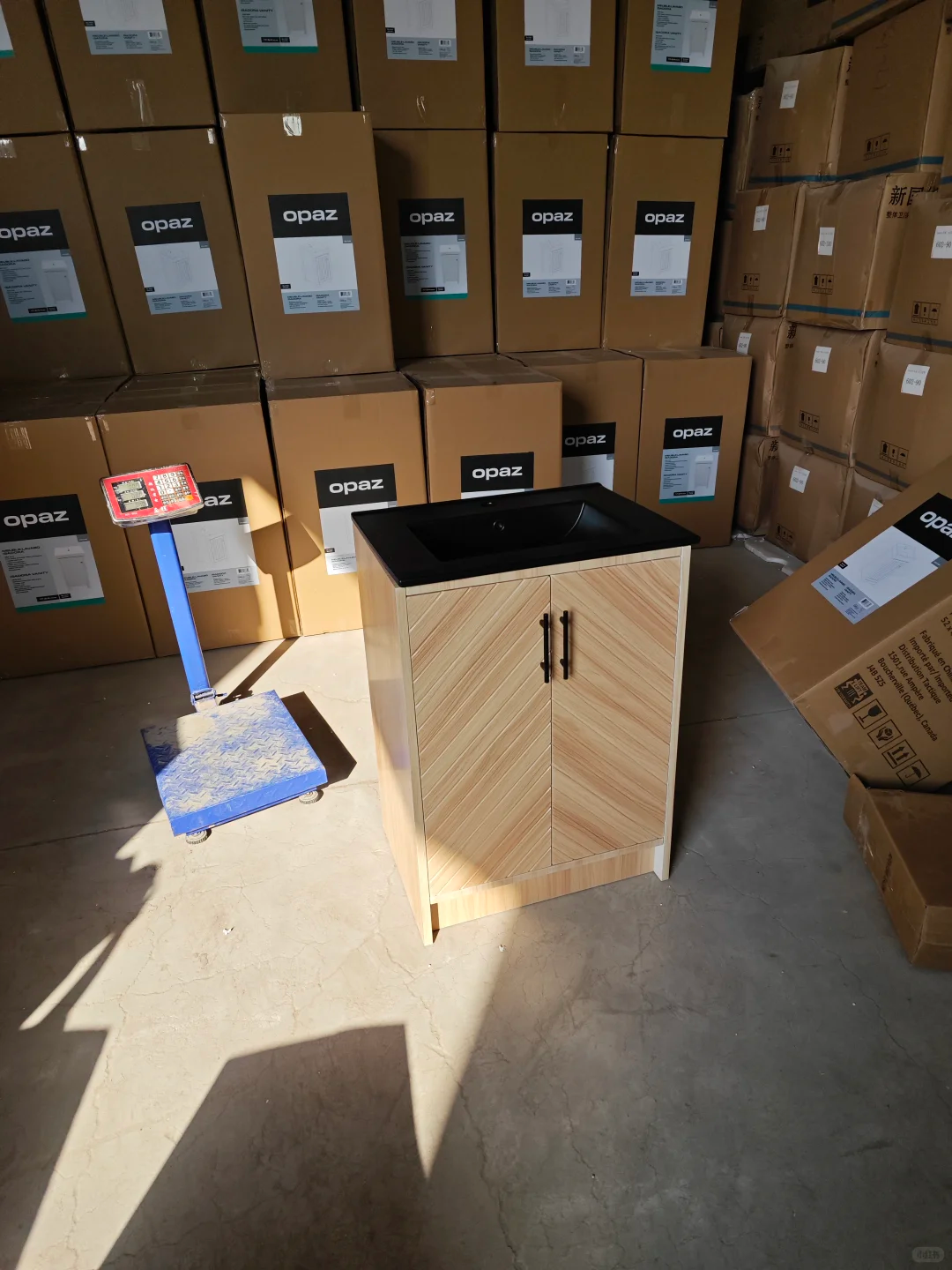
Today's problem: a container of hotel furniture that was supposed to ship yesterday is stuck at the warehouse. The trucking company canceled at the last minute because their driver quit. Now the container booking with the shipping line is at risk, and if we miss this sailing, the client's hotel opening could be delayed by two weeks.
This is the part of the job that does not show up in any service description. It is not about sourcing or quality control or negotiation — it is about problem-solving under pressure. I spend the next four hours calling every trucking contact I have, negotiating a last-minute pickup, and coordinating with the freight forwarder to push the container cut-off by one day.
By 3 PM, I have a truck confirmed for tomorrow morning. The shipping line agreed to extend the cut-off by 24 hours. The client does not even know there was a problem — and that is exactly how it should be. A good logistics and delivery service is one where the client never sees the chaos behind the scenes.
The rest of Thursday is spent on less dramatic tasks: reviewing negotiation terms for a new project, following up on sample feedback, and preparing a cost comparison for a client who is deciding between three different factories for a school furniture order.
Friday: Wrap-Up and Reports
Friday is report day. I spend the morning writing up the factory visit report from Tuesday, the inspection report from Wednesday, and a weekly status update for each active project. These reports are not optional — they are how clients stay informed without having to be in China themselves.
A typical project status report includes:
- Current stage (sampling, production, inspection, shipping)
- Timeline update (on track, delayed, ahead of schedule)
- Photos from the week
- Any issues and how they were resolved
- Action items for the following week
By Friday afternoon, I have sent out seven reports, had two video calls with clients (one in the morning for Australia, one in the late afternoon for Europe), and updated my project tracker. The week ends not with a dramatic moment but with a quiet sense that things are moving forward — samples being made, orders being produced, containers being loaded.
So, What Does a Sourcing Agent Actually Do?
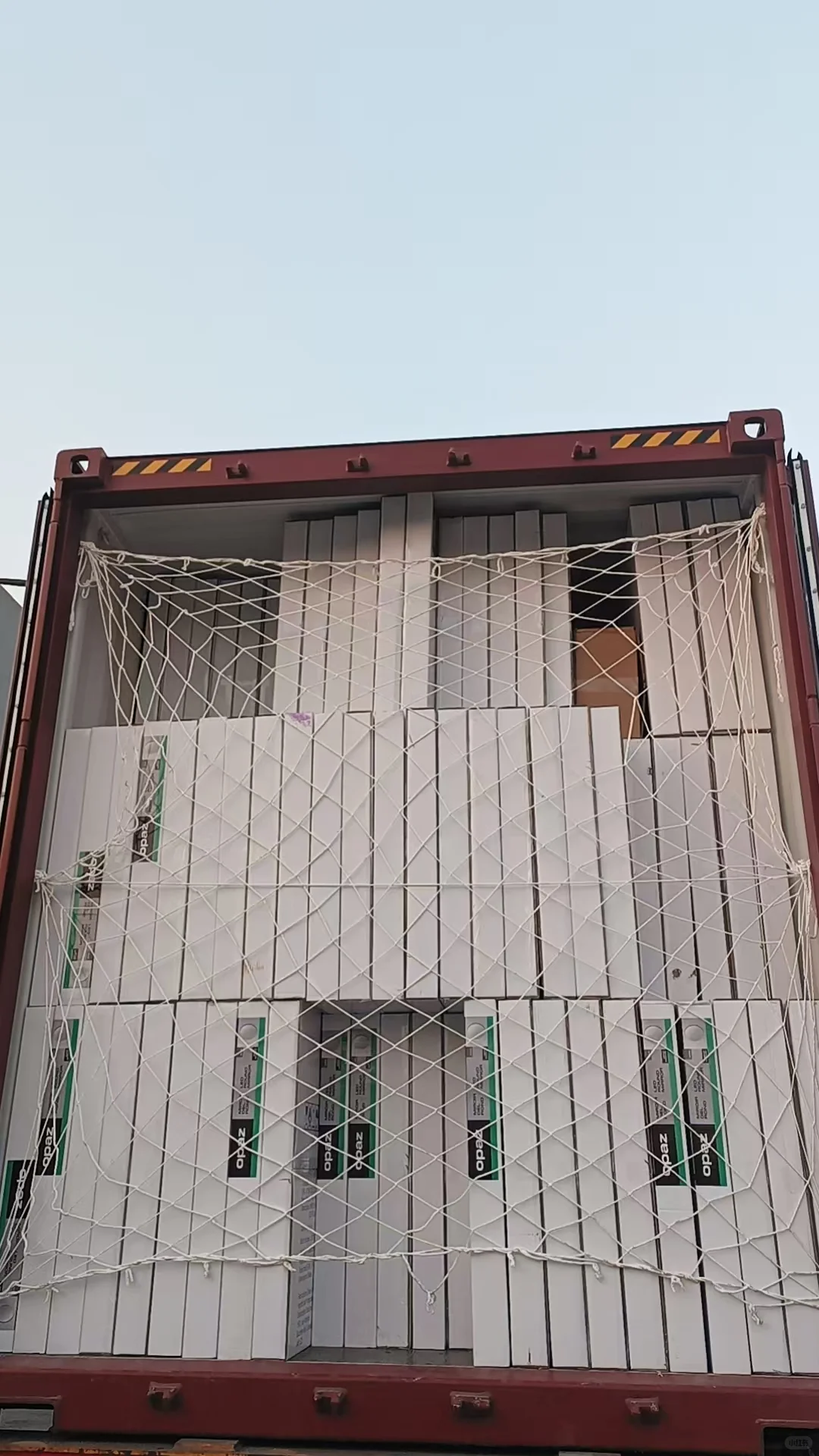
If I had to sum it up in one sentence: a sourcing agent is the person standing between you and the chaos of international manufacturing, making sure that what you ordered is what you get, when you need it.
The job is not glamorous. It is a lot of WeChat messages, factory floors, instant noodles, and problem-solving. But it is also deeply rewarding — there is nothing quite like seeing a container of furniture that you sourced, inspected, and shipped arrive at a client's project site, exactly as promised.
If you are sourcing FF&E from China and wondering whether you need help, the honest answer is: it depends on your volume, your experience, and your risk tolerance. But if you are managing multiple suppliers, dealing with custom specifications, and trying to coordinate quality control and logistics from across the world, having someone on the ground in China is not a luxury. It is how you sleep at night.
Frequently Asked Questions
How much does a China sourcing agent cost?
Sourcing agents typically charge in one of three ways: a commission (5-10% of order value), a fixed project fee, or a monthly retainer. The right model depends on your order volume and project complexity. For one-off small orders, a commission model works well. For ongoing projects with multiple suppliers, a retainer often provides better value.
Can a sourcing agent handle multiple product categories?
Yes, but with a caveat. A good sourcing agent has a network of vetted factories across multiple categories — furniture, lighting, sanitary ware, and more. However, the agent should be honest about where their deepest expertise lies. Our team specializes in FF&E and contract furniture. If a client asks us to source electronics, we will refer them to a partner who knows that industry.
How do sourcing agents communicate with overseas clients?
WeChat is the primary communication tool in China, but for overseas clients, we use a mix of email, WhatsApp, Zoom, and WeChat (which works internationally). Most agents will adapt to whatever platform the client prefers. The key is responsiveness — a good agent replies within a few hours during business hours, not three days later.
What happens if there is a quality problem after shipment?
This is one of the most important questions to ask before working with any sourcing agent. A responsible agent will have a clear quality issue resolution process: document the problem, negotiate with the factory for replacement or refund, and implement preventive measures for future orders. The goal is not to avoid all problems (that is impossible in manufacturing) but to handle them quickly and transparently when they occur.
Do I need to visit China if I have a sourcing agent?
No, many of our clients have never been to China. A good agent sends you detailed factory reports, photos, and video walkthroughs so you can make informed decisions without traveling. That said, if you are placing a large order (typically over $100,000), visiting the factory at least once is worth the trip. It builds trust with both the agent and the factory, and it gives you a firsthand understanding of what you are buying.